Signs It’s Time for a Flat or Single-Ply Roof Installation
If signs it’s time for a flat or single-ply roof installation appear, local contractors can assess your roof’s condition and handle the necessary upgrades.
If your flat or single-ply roof is showing signs of aging or damage, it may be time to consider a new installation. Property owners in the area often notice issues like persistent leaks, ponding water, or visible wear and tear that can compromise the roof’s integrity. Recognizing these signs early can help prevent more extensive damage and costly repairs down the line. Local contractors specializing in flat and single-ply roof installations are equipped to assess these indicators and recommend appropriate solutions, ensuring your property remains protected and functional.
Exploring the need for a roof replacement is a practical step for those experiencing frequent repairs or noticing decreasing energy efficiency. Over time, materials can deteriorate, leading to reduced insulation or increased vulnerability to the elements. Service providers in the community can offer expert guidance on whether a flat or single-ply roof installation might be the right choice for your property’s needs. Keeping an eye out for these common signs can help property owners make informed decisions and connect with experienced professionals ready to assist with the installation process.
- Flat roof installation - is recommended when signs of widespread leaks or persistent ponding water appear, and local contractors can assess and replace the roof efficiently.
- Single-ply roof installation - becomes necessary when existing roofing materials show extensive damage or aging, prompting service providers to offer durable, long-lasting solutions.
- Flat roof installation - is suitable if the current roof has developed cracks or blistering, with local pros capable of removing and replacing the compromised surface.
- Single-ply roof installation - is advised when energy efficiency concerns arise due to poor insulation or heat transfer, and local contractors can install modern membrane systems.
- Flat roof installation - is appropriate when signs of structural sagging or deflection are observed, as local pros can evaluate the condition and perform necessary upgrades.
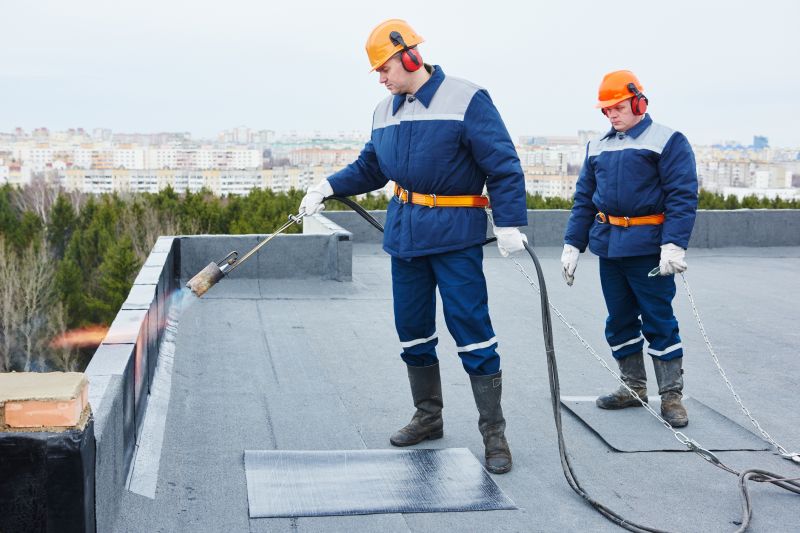
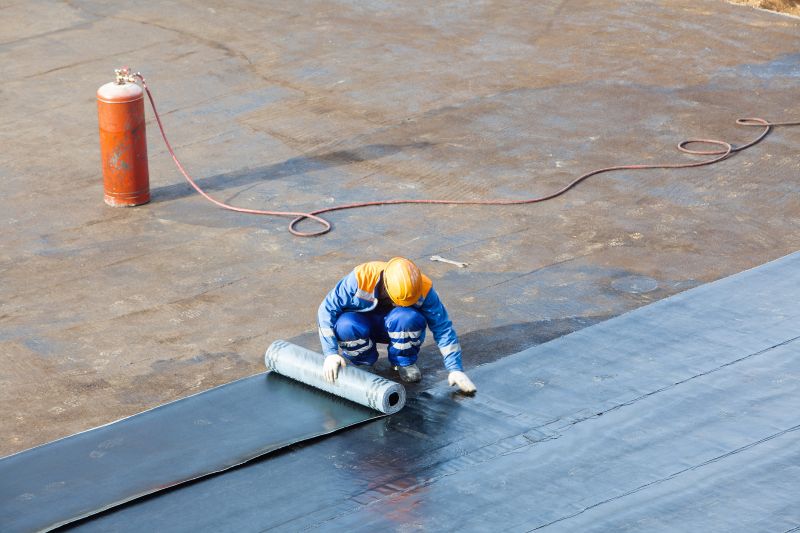

When homeowners search for signs it’s time for a flat or single-ply roof installation, they are often trying to determine whether their current roofing system needs replacement or repair. Flat and single-ply roofs are common on commercial buildings, industrial facilities, and some residential properties with modern architectural designs. People typically explore this topic when they notice issues such as persistent leaks, ponding water, or extensive membrane damage. Recognizing these signs early can help property owners decide if a new installation is the best course of action to ensure the building remains protected and functional.
This topic is closely related to problems like aging roofs, frequent repairs, or structural upgrades. Over time, exposure to weather elements can cause the roofing membrane to deteriorate, leading to cracks, blisters, or tears that compromise the roof’s integrity. Additionally, plans for remodeling or expanding a property might require a new roofing system that better suits the updated structure. Homeowners and property managers often seek information about signs indicating the need for a new flat or single-ply roof to avoid costly repairs and to improve energy efficiency or building performance.
The types of properties that typically come up in discussions about flat or single-ply roof installation include commercial warehouses, retail centers, apartment complexes, and industrial facilities. These properties often have large, flat roof surfaces that are more susceptible to issues like standing water and membrane wear. Some residential properties with flat roofs, such as modern homes or multi-family units, may also require this type of roofing upgrade. Local service providers who specialize in flat or single-ply roofing can assess these properties, identify signs of aging or damage, and recommend suitable solutions to meet the specific needs of each building.
Understanding the signs that indicate it’s time for a new flat or single-ply roof installation helps property owners make informed decisions about their roofing needs. Common indicators include visible cracks or blisters on the membrane, recurring leaks despite repairs, or significant ponding water after storms. If a roof has reached its expected lifespan or shows widespread damage, replacing it with a new flat or single-ply system can provide a durable, long-lasting solution. Connecting with local contractors experienced in flat and single-ply roofing ensures that property owners receive expert guidance and quality installation tailored to their property’s unique requirements.
Roof inspection and assessment services involve evaluating roof conditions, which is essential before deciding on a flat or single-ply roof installation, and local contractors can perform these evaluations.
Waterproofing and membrane installation projects require similar skills and tools as flat roof work, making them relevant when considering roofing replacements or upgrades.
Commercial roofing services often include flat and single-ply roof installations, providing insight into the best materials and methods for different building types.
Roof repair and restoration projects help identify when a roof has reached the end of its lifespan and needs replacement, guiding decisions about installing a new flat or single-ply roof.
Leak detection and repair services are closely related, as persistent leaks can indicate the need for a new roof installation, with local contractors assessing the extent of damage.
Roof ventilation and insulation upgrades are important considerations during flat roof installation to ensure proper airflow and energy efficiency, often handled by the same service providers.

When evaluating potential service providers for a flat or single-ply roof installation, it’s important to consider their experience with similar projects. Homeowners should inquire about the contractor’s background in handling flat roofing systems, including the types of materials used and the scope of past work. A contractor with a proven track record in installing or replacing flat roofs can demonstrate familiarity with common issues and best practices, helping to ensure the project is completed efficiently and effectively. This experience can also provide insight into the quality of work and the ability to address unique challenges that may arise during installation.
Clear written expectations are essential when comparing local contractors for a flat or single-ply roof installation. Homeowners should seek detailed proposals that outline the scope of work, the materials to be used, and the estimated timeline. Having this information in writing helps prevent misunderstandings and provides a benchmark for evaluating bids. It’s also beneficial to ask how the contractor plans to handle potential issues, such as existing roof damage or unforeseen complications, to ensure that expectations are realistic and transparent from the outset.
Reputable references and effective communication are key factors in selecting a reliable service provider. Homeowners can request references from previous clients who had similar projects completed, offering an opportunity to learn about the contractor’s professionalism, quality of work, and adherence to schedules. Good communication throughout the process-such as responsiveness to questions, clarity about procedures, and updates on progress-can make a significant difference in the overall experience. Choosing a local contractor known for transparent, straightforward communication can help ensure that the project proceeds smoothly and meets expectations.
Property owners often search for signs it’s time for a flat or single-ply roof installation when they are planning practical projects around their homes and businesses. Local pros provide Flat or Single-Ply Roof Installation services for everyday jobs and straightforward project options.
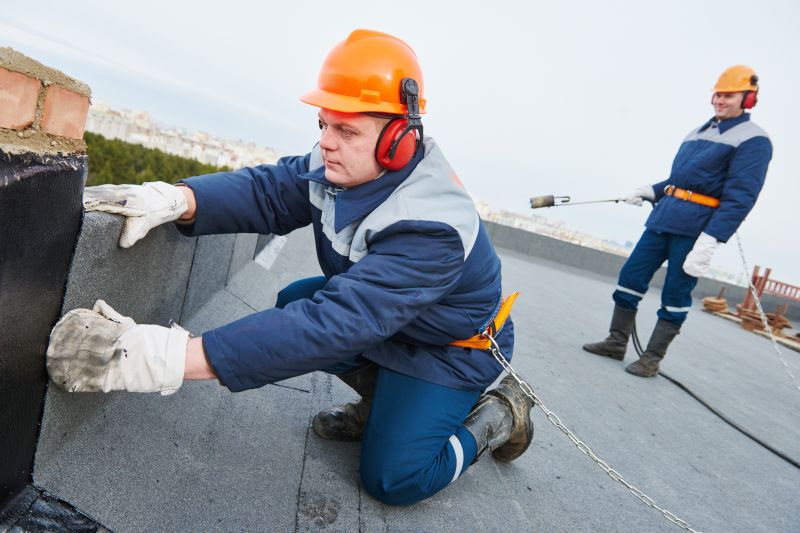
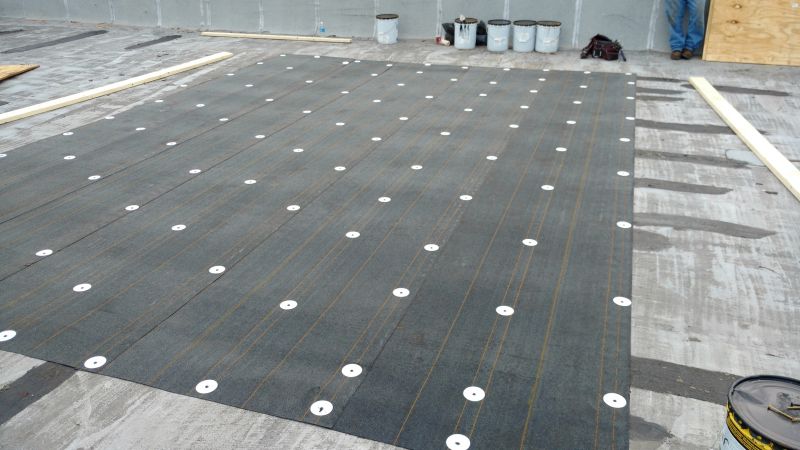
Property owners noticing persistent leaks or ponding water on their flat roofs may find it’s time to consider a flat or single-ply roof installation. Over time, the materials can weaken or develop cracks, leading to water infiltration that damages the underlying structure. Additionally, visible signs such as blistering, cracking, or significant surface wear can indicate that the existing roof is no longer providing adequate protection. When these issues become apparent during routine inspections or after heavy weather, local contractors who specialize in flat and single-ply roofing can assess the situation and recommend suitable replacement options.
Other everyday project situations that signal it’s time for a new roof include frequent repairs or patchwork that no longer hold up, as well as an aging roof nearing the end of its expected lifespan. Property owners may also notice increased energy bills due to poor insulation or heat transfer through the roof. If the roof has experienced storm damage or if there are visible signs of deterioration such as curling or missing sections, it’s advisable to consult with local service providers who can handle a comprehensive installation. These professionals can help determine whether a flat or single-ply roof replacement is a practical solution to ensure long-term durability and protection.
What are common signs that a flat or single-ply roof needs replacement? Visible damage such as widespread cracking, blistering, or significant leaks often indicate that a roof is approaching the end of its service life and may require a new installation by local contractors.
How can I tell if my flat or single-ply roof has reached the point where replacement is necessary? If there are persistent ponding water issues, extensive membrane deterioration, or recurring leaks despite repairs, it may be time to consider a roof replacement handled by local service providers.
Are there specific issues that suggest a flat or single-ply roof should be replaced soon? Signs like bubbling or blistering, visible cracks, or the presence of mold and mildew can signal that the existing roof is compromised and a new installation could be needed by local contractors.
What indications show that my flat or single-ply roof is no longer effective? Frequent leaks, sagging areas, or a noticeable loss of roof material integrity are practical signs that a professional roof replacement might be necessary from local service providers.
When should I consider scheduling a flat or single-ply roof installation? If the roof exhibits multiple signs of aging or damage, such as extensive cracking or persistent leaks, consulting local contractors for a replacement can help ensure the roof’s continued performance.
Visible roof damage - Cracks, blistering, or punctures on a flat or single-ply roof can indicate the need for replacement services by local contractors.
Persistent leaks - Frequent or ongoing water intrusion inside the building suggests it’s time to consider a new flat or single-ply roof installation with local service providers.
Older roof system - When a flat or single-ply roof exceeds its expected lifespan, local pros can help evaluate whether replacement is necessary.
Energy efficiency concerns - Rising cooling or heating costs might be addressed by installing a new flat or single-ply roof to improve insulation, handled by local contractors.
If you are thinking about signs it’s time for a flat or single-ply roof installation for a property, this guide is meant to help you understand this topic, the typical project types, and how different options might fit your plans.
When you are ready, you can use the quote form on this page to share a few details about your project. From there, local pros can review the basics and follow up with options that match what you have in mind.